Bronze Casting Technology
Introduction
Bronze casting technology represents a significant achievement in ancient metallurgical and artistic practices. This sophisticated technique reflects the advanced skills of ancient civilizations, particularly during the Shang and Zhou dynasties in China. The Bronze Age marked a period of significant cultural and technological development, with bronze objects serving both functional and ceremonial purposes.
Historical Context
Bronze casting was a pivotal technology during the Shang and Zhou (c. 11th century-256 BC) dynasties in ancient China. The technology was not only essential for creating weapons and tools but also for producing intricate ritual vessels and artifacts that played a central role in the ceremonial and religious practices of the time. The development of bronze casting techniques is closely tied to the cultural and political evolution of these societies.
Techniques and Methods
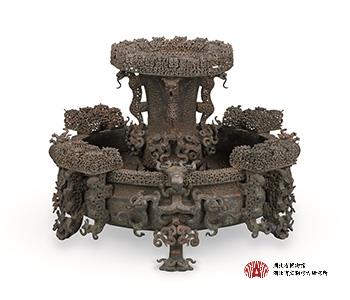
The primary method employed in ancient Chinese bronze casting was the piece-mold casting technique, which involved creating a clay model of the object, covering it with a clay mold, and then pouring molten bronze into the space between the model and the mold. This method allowed for the creation of complex designs and detailed patterns. The lost-wax casting technique, although less common, was used for producing more intricate and artistic designs, as evidenced by certain artifacts such as the bronze wine table (jin) with elaborate cloud patterns.
Artifacts and Designs
A notable example of the sophistication of bronze casting technology is a set of treasures consisting of a zun vessel and a saucer. These artifacts were excavated from the tomb of the Marquis Yi of the State of Zeng in Suizhou, Hubei province, in 1978. The zun vessel is adorned with openwork decorations resembling intertwined dragons and snakes, as well as chi dragon patterns in relief on the body and base. Four leopards with protruding tongues embellish the neck of the vessel. The accompanying saucer features similar dragon and snake motifs. These artifacts exemplify the pinnacle of bronze casting craftsmanship during the Shang and Zhou periods.
Cultural Significance
Bronze objects were central to the ritual and ceremonial life of ancient China. They were often used in ancestral worship and state rituals, serving as symbols of power and authority. The intricate designs and motifs on these artifacts often held symbolic meanings, reflecting the beliefs and values of the society.
Preservation and Legacy
Today, many of these ancient bronze artifacts are preserved in museums, offering invaluable insights into the technological and artistic achievements of ancient Chinese civilizations. The Hubei Provincial Museum and the Henan Museum house some of the most significant examples of bronze casting technology, providing a window into the past and the cultural heritage of China. The enduring legacy of bronze casting continues to influence modern metallurgical practices and artistic expressions.








